%2Ffit-in%2F250x250%2Fusers%2Fb4a88cd9-14b9-45c8-acae-6911cd135059%2Fimages%2F0ff7b3bf-fe75-4f07-b116-948ead6563f7.jpg&w=1920&q=100)
Smallmouth Bass and Walleye Catch in Altmar NY
Freshwater Fishing in Altmar - What to Expect
%2F%2Fusers%2Fb4a88cd9-14b9-45c8-acae-6911cd135059%2Fimages%2Faltmar-mixed-bag-cooler-catch-2974.jpg&w=1920&q=75)
Fishing Charter by Captain Silas Amlaw in October

- Lake ontario fishing charter and ice fishing guide


Summary
Captain Silas Amlaw of Ah shore thing fishing charters delivered an explosive fishing charter on a Tuesday in October, landing multiple smallmouth bass, walleye, and sauger. This guided fishing trip showcases the incredible freshwater action available in Altmar waters, where skilled anglers connect with trophy-caliber species and experience the thrill of consistent strikes.
Fishing Charter with Captain Silas Amlaw - Rates & Booking
Captain Silas Amlaw of Ah shore thing fishing charters on Tuesday, October 13th brings the heat when it comes to Altmar freshwater fishing. This fishing charter targets the species that make this region legendary - and the results speak for themselves. With a licensed guide leading the action, you're tapping into years of local expertise and proven tactics that consistently put fish in the cooler.
Contact Ah shore thing fishing charters to book your charter and experience the same intensity and results. Whether you're a seasoned angler or ready to level up your game, this charter delivers the adrenaline-pumping action that keeps fishermen coming back.
Highlights of This Altmar Fishing Charter
The cooler tells the story - multiple smallmouth bass, walleye, and sauger landed in one explosive session. This mixed catch showcases the diversity and abundance of Altmar's freshwater fishery. The charter's success isn't luck; it's the result of Captain Silas Amlaw's tactical approach, knowledge of prime feeding zones, and ability to read water conditions that trigger aggressive strikes.
What makes this charter stand out is the consistency of hookups and the variety of species responding to the presentation. From aggressive smallmouth bass to prized walleye and hard-fighting sauger, anglers experience the full spectrum of freshwater fishing excitement. Each fish represents a moment of pure adrenaline - the hookset, the battle, the victory.
Local Species Insights: Smallmouth Bass, Walleye & Sauger
Altmar's waters are a hotbed for aggressive freshwater species, and this charter perfectly captures why this location is a fishing destination. Smallmouth bass are the strikers - explosive, fast, and willing to hit when conditions align. These bronze bullets respond to pressure and current, which Altmar's fishery provides in abundance. The charter targeted zones where smallmouth congregate, resulting in multiple hookups and the kind of non-stop action that gets your heart racing.
Walleye are the precision species. These nocturnal hunters come alive in low-light and transitional periods, and Captain Silas Amlaw's timing tapped directly into peak feeding windows. Walleye are prized for their fighting spirit and table quality - a true trophy for any freshwater angler. The presence of walleye in this catch elevates the charter's success, demonstrating access to deeper structure and strategic fishing grounds.
Sauger, the smaller cousin of walleye, are harder fighters pound-for-pound and equally rewarding. These fish suspend in mid-water zones and require precise presentations. Landing sauger alongside walleye and smallmouth bass proves Captain Silas Amlaw's ability to work multiple depths and presentations - adapting to what the fish are doing and executing flawlessly.
The freshwater environment around Altmar creates perfect conditions for these species to thrive. Current, structure, and forage abundance attract predators year-round. When you fish with a guide who understands these dynamics, your odds of explosive success skyrocket. This charter isn't just about fishing - it's about connecting with a world-class fishery and experiencing the raw thrill of consistent hookups.
Every species in this cooler represents a distinct challenge and a unique fight. That variety is what makes Altmar fishing so compelling. You're never bored, never waiting long between strikes, and always experiencing something new. This is freshwater fishing at its best.
Fishing in New York: Sauger, Walleye and Smallmouth Bass
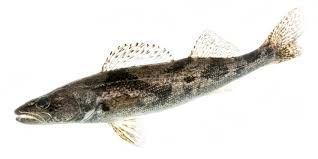
Sauger Overview
The Sauger (Sander canadensis) is a fascinating freshwater game fish belonging to the order Perciformes and family Percidae—the same family as walleye and perch. This bronze to olive-colored fish sports distinctive dark blotches along its elongated body and sports a pristine white belly that makes it instantly recognizable to seasoned anglers. What really sets the sauger apart is its rough texture, thanks to specialized teeth-like scales called ctenoid, and its striking absence of a white-tipped tail—the key feature that separates it from its close cousin, the walleye. Found throughout the central and eastern United States, particularly thriving in the muddy waters of major river systems and reservoirs, the sauger has earned its reputation as an aggressive game fish that attracts anglers from across the country seeking an exciting challenge.
One of the most intriguing facts about saugers is their occasional hybridization with walleye, creating a unique hybrid species called the "saugeye" that combines traits from both parents. This remarkable natural occurrence underscores how closely related these species truly are, yet the sauger remains distinctly valued by fishing communities for its spirited fight and surprisingly good eating qualities.
Sauger Habitat and Distribution
Saugers are light-sensitive specialists that prefer the dim, murky environments of muddy rivers, lakes, reservoirs, and tributaries where they can hunt under cover of darkness and reduced visibility. These bottom-dwelling fish thrive in warm waters ranging from 68 to 82.4°F and demonstrate a strong preference for hiding in vegetation, rocky crevices, and submerged structures where they can rest undisturbed during daylight hours. Their remarkable adaptability and highly migratory nature have allowed them to spread across much of North America, with their native stronghold centered in the Missouri and Mississippi River systems and the Great Lakes region.
Today, anglers can pursue saugers from New York to Alabama in the east, and from Wyoming to Oklahoma in the western portions of their range, with notable populations in Kentucky, Montana, and Ohio. Some of the most legendary sauger fishing destinations include Lake Sakakawea in North Dakota, Fort Peck in Montana, and the Cumberland River spanning Tennessee and Kentucky. These waters have become pilgrimage sites for dedicated sauger enthusiasts seeking trophy catches and consistent action throughout the fishing season.
Sauger Size and Weight
Saugers are classified as small to medium-sized fish, with typical specimens measuring between 12 to 13 inches in length and weighing around 1 pound. However, these fish have demonstrated impressive growth potential under the right conditions. The largest recorded sauger ever caught weighed a remarkable 8 pounds, while the longest specimen reached an impressive 21.8 inches. These maximum sizes represent exceptional catches that inspire anglers to refine their techniques and explore prime fishing waters. Understanding the average size range helps anglers set realistic expectations while remaining vigilant for the occasional trophy fish that exceeds typical proportions.
Sauger Diet and Behavior
As opportunistic bottom-feeders, saugers primarily consume insects, small crustaceans, and diminutive fish species that venture near their hiding spots. Their diet reflects their nocturnal hunting tendencies—they're equipped with specialized eyes adapted for low-light feeding, making them voracious hunters during dawn, dusk, and nighttime hours when visibility decreases and their sensory advantages shine brightest. During daylight, they remain largely sedentary, retreating to deeper waters, vegetation, and structural cover where they await the cover of darkness to become more active and aggressive hunters.
The species is known among anglers for its aggressive disposition when it does decide to feed, often striking with fierce determination that sends experienced fishermen's hearts racing. This combative nature, combined with their preference for spending daylight hours hidden away, requires patience, persistence, and strategic knowledge from anyone hoping to connect with these elusive predators.
Sauger Spawning and Seasonal Activity
Saugers enter their spawning season during March through May, when they become more catchable and aggressive as they prepare for reproduction. During this prime window, these fish are known to be particularly active and willing to strike lures and bait as their metabolism increases and feeding intensity peaks. Interestingly, saugers exhibit a rather laissez-faire approach to parenting—they lay their eggs in seemingly random locations throughout their habitat and then abandon them without any guarding behavior or nest maintenance, leaving their offspring to fend for themselves from the moment of hatching.
This spawning activity represents the most reliable period for consistent sauger fishing success, making spring one of the most anticipated seasons for dedicated anglers targeting this species across their range.
Sauger Techniques for Observation and Capture
Night and Early Morning Jigging: Since saugers are light-sensitive predators that feed most actively during low-light conditions, your best bet is to fish during nighttime or the first few hours after dawn. Focus on muddy areas with vegetation, fallen branches, and other structural cover where these fish hide during daylight. Use vertically-oriented jigs in bright colors like chartreuse, white, and orange—colors that stand out in murky water. Cast your jigs to the bottom (saugers typically hold at depths of 25 to 40 feet) and slowly retrieve with a lifting motion to tempt fish out of their hiding holes. This methodical approach rewards patience and persistence with exciting strikes.
Bottom Bouncing with Live Bait: Equip yourself with a seven to nine-foot rod rated for six to eight-pound test line, paired with a three to five-ounce bell sinker that keeps your bait on the bottom where saugers hunt. Use an eight to twelve-pound monofilament or braided line and attach hooks sized from #1 to 3/0 depending on your bait selection. Live minnows, crayfish, nightcrawlers, shiners, shad, and small panfish all work exceptionally well. Cast your rig into promising holes and structure, slowly retrieve along the bottom with gentle lifts to mimic injured prey.
Localized Tip—Great Lakes and Reservoir Success: Around major reservoirs like Lake Sakakawea and Cumberland River, focus on transition zones where muddy river channels meet clearer main-lake water. These boundaries concentrate saugers as they move between daytime refuge and nighttime feeding grounds. Fish the deeper edges of these zones during mid-evening to predawn hours for your best opportunities.
Sauger Culinary and Utilization Notes
Saugers offer average odds when evaluated purely for culinary quality, though their meat remains palatable and enjoys local appreciation in traditional fishing communities. The white, mild-flavored flesh works well in pan-frying, baking, and fish fries, particularly when prepared fresh shortly after capture. While not considered a premium food fish like walleye, sauger makes for respectable table fare that shouldn't be overlooked. Many regional restaurants and fish camps feature sauger on their menus during peak seasons, reflecting both its availability and acceptable taste profile. Anglers often find the experience of catching and preparing their own sauger more rewarding than the flavor alone might suggest.
Sauger Frequently Asked Questions
Q: What is the best bait for catching sauger?
A: Live minnows, crayfish, nightcrawlers, shiners, and shad all produce excellent results. The choice often depends on local availability and water conditions. Bright-colored jigs in chartreuse and white also work exceptionally well when jigging deep structure. Start with what's locally abundant and be prepared to experiment.
Q: Where can I find sauger near major fishing destinations?
A: Lake Sakakawea in North Dakota, Fort Peck in Montana, and the Cumberland River spanning Tennessee and Kentucky represent world-class sauger fisheries. Major river systems like the Missouri and Mississippi, plus Great Lakes tributaries, hold consistent populations throughout their native range from Wyoming to New York.
Q: Is sauger good to eat?
A: Yes, though they're considered average to good food fish rather than premium table fare. The white meat has a mild flavor and works well when pan-fried or baked fresh. Many anglers appreciate the full experience of catching and preparing their own sauger, even if the flavor alone doesn't rival walleye or other species.
Q: When is the best time to catch sauger?
A: Spring spawning season from March through May offers peak activity and catchability. During regular seasons, fish during nighttime hours and early morning when these light-sensitive fish are most active and aggressive. Avoid bright midday conditions when saugers retreat to deep cover and refuse to feed.
Q: How do I distinguish a sauger from a walleye?
A: The easiest way is to check the tail—saugers lack the distinctive white tip found on walleye tails. Saugers also have rougher skin due to their ctenoid scales, and tend to inhabit muddier water. When in doubt, examine that tail carefully.
Q: What equipment do I need for sauger fishing?
A: Use a seven to nine-foot rod rated for six to eight-pound line, paired with three to five-ounce bell sinkers for bottom fishing. Eight to twelve-pound monofilament or braided line works well. Hooks range from #1 to 3/0 depending on your bait, and bright-colored jigs in sizes that match your target depth prove highly effective for vertical jigging presentations.
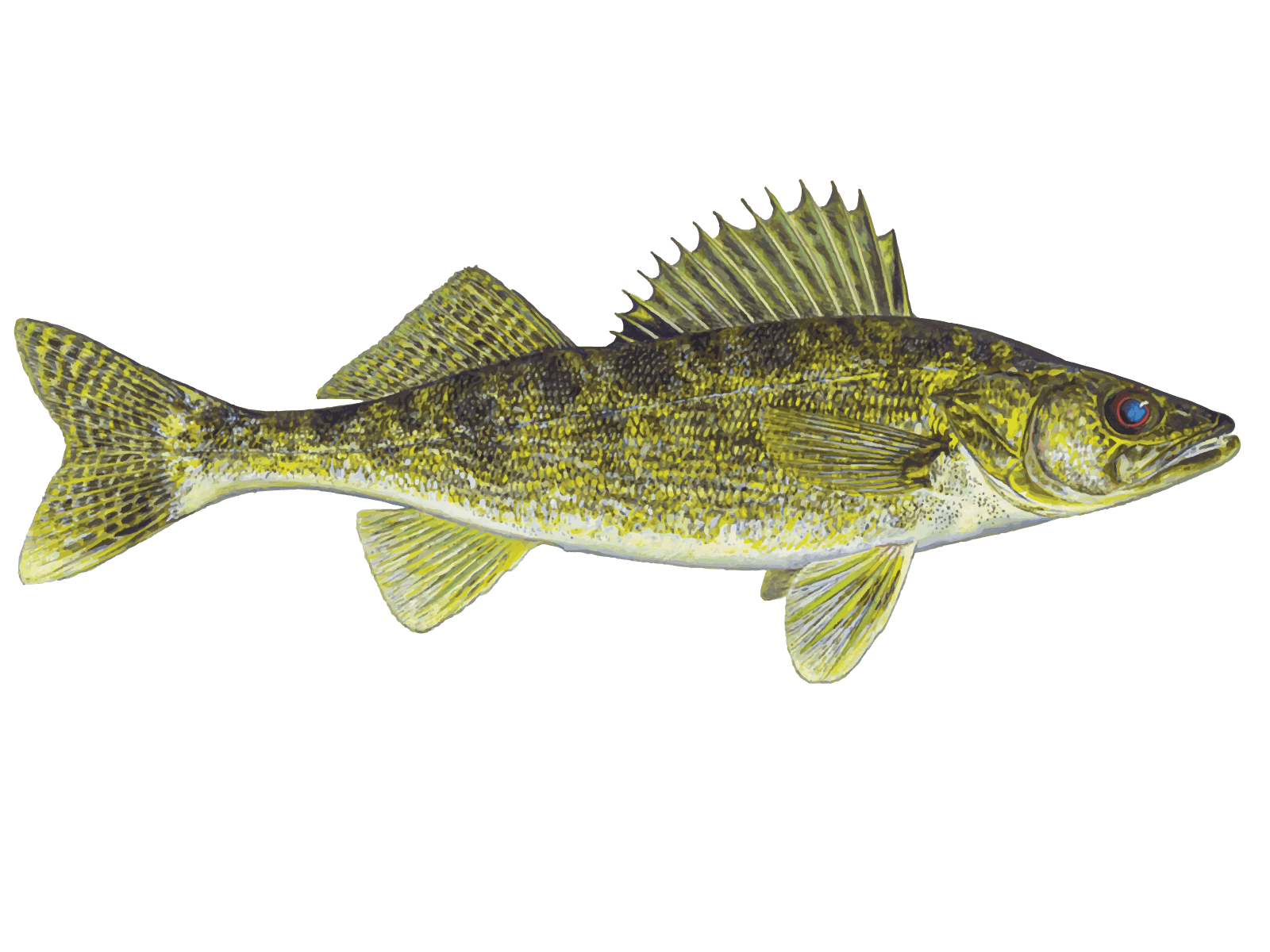
Walleye Overview
The Walleye (Sander vitreus) is a freshwater game fish belonging to the family Percidae and order Perciformes, making it a close relative of perch and pike-perch species worldwide. What makes this fish truly remarkable is its distinctive large eyes with a reflective silver layer called the tapetum lucidum, which gives walleye their characteristic glowing appearance and exceptional low-light vision. These sleek, conical-bodied predators boast golden and olive coloring with pale white bellies, and they've become one of North America's most sought-after game fish. From the pristine waters of Lake of the Woods to local lakes and river systems across the continent, walleye are celebrated equally by anglers pursuing trophy catches and home cooks seeking exceptional table fare. Whether you're casting lines at dusk or planning your next fishing adventure, the walleye represents the perfect blend of challenge, beauty, and culinary reward.
Walleye Habitat and Distribution
Walleye thrive in diverse freshwater environments, from small to large rivers and both shallow and deep lakes. These fish demonstrate specific preferences for their surroundings, typically seeking out sand, rock, or gravel bottoms where they can hunt effectively. During daylight hours, walleye retreat to deeper water columns, using weeds, timber, and submerged structures for cover. In river systems, they establish themselves in deep holes and drop-offs during the day, then venture into shallows under the cover of darkness to hunt for food. Their comfort zone lies at water temperatures around 70 degrees Fahrenheit, though they can tolerate a range between 32 and 90 degrees.
Geographically, walleye are native to waters from the Arctic regions south of Canada down through the Great Lakes and extending east to the St. Lawrence River systems. Lake Erie stands as one of the most legendary walleye fishing destinations in North America. However, the true crown jewel is Lake of the Woods and the Rainy RiverWalleye Capital of the World. These breathtaking waters attract anglers year-round seeking record-breaking catches. Over recent decades, walleye have been artificially introduced into lakes and reservoirs throughout North America, expanding fishing opportunities far beyond their native range and making them accessible to enthusiasts across the continent.
Walleye Size and Weight
Adult walleye typically range from 12 to 30 inches in length, with trophy specimens occasionally exceeding 42 inches. Weight generally falls between 1 pound for smaller individuals to approximately 10 pounds for impressive catches, though the largest recorded walleye have reached weights around 20 pounds. Females generally grow larger than males, and in pristine, well-managed fisheries with minimal harvest pressure, these fish can reach truly exceptional sizes. The sleek, streamlined body shape and conical head lined with sharp teeth make walleye instantly recognizable and perfectly adapted for their predatory lifestyle.
Walleye Diet and Behavior
Walleye are strictly nocturnal predators, meaning they feed primarily during low-light conditions—dawn, dusk, and throughout the night. Adult walleye feed almost exclusively on other fish species, actively hunting minnows, shiners, and other small forage fish. Young walleye have more diverse diets, consuming small crustaceans and insects, particularly mayflies, as they develop. This dietary preference for living prey directly influences successful angling techniques and bait selection.
These fish are highly mobile, responding to light levels and temperature changes throughout the day and across seasons. During midday, they disappear into deep, structure-rich areas to avoid bright light, which their sensitive eyes find uncomfortable. As evening approaches and light diminishes, walleye become increasingly active and begin moving toward shallow feeding zones. This behavior pattern is so predictable that experienced anglers plan their outings around these feeding windows. Their nocturnal nature also makes them less susceptible to fishing pressure during daylight hours, rewarding patient anglers who time their efforts during prime feeding periods.
Walleye Spawning and Seasonal Activity
Walleye typically spawn in spring when water temperatures begin warming, usually between April and May in most northern regions. During this period, they migrate to shallow rocky areas or gravel bars to reproduce, making them more accessible to anglers during these critical weeks. After spawning, walleye gradually move into their summer patterns, establishing themselves in deeper structure.
Summer brings a shift to deeper waters during the heat of the day, with evening and night feeding becoming more pronounced. Fall introduces another transition period as cooling water temperatures trigger increased feeding activity and movement. Winter finds walleye in deeper holes and under the ice, where they continue feeding but at reduced rates. Understanding these seasonal patterns helps anglers anticipate where to find active walleye throughout the year.
Walleye Techniques for Observation or Capture
Evening Jig and Minnow Technique: The most reliable method for walleye success involves fishing jigs tipped with live minnows during the evening and night hours. Work your jig along rocky structure, weed edges, and bottom contours at depths between 10 and 30 feet. Cast parallel to structure, maintaining contact with the bottom through a steady jigging motion. This technique works exceptionally well around Lake of the Woods and similar environments where rocky transitions create prime walleye habitat.
Live Bait Rig Trolling: Deploy a live bait rig consisting of a 1⁄4 to 1⁄2 pound sinker, a swivel, a 3 to 6 foot leader of 6-pound test line, and a No. 4 or 6 hook. Attach live minnows, nightcrawlers, or leeches and troll slowly along the bottom, covering different depths and structure types to locate feeding fish. This methodical approach works particularly well in lake systems where walleye suspend at varying depths depending on forage availability.
Nighttime Shallow Water Hunting: After dark, position yourself in water depths of 3 to 8 feet near weed beds, structure, and drop-offs. Use minnow-style crankbaits or soft plastics retrieved slowly and deliberately. The reduced light gives these sensitive-eyed predators confidence to hunt in shallow water where prey concentrates. This technique can be explosive during peak feeding periods and is especially productive around established fishing areas.
Walleye Culinary and Utilization Notes
Walleye consistently ranks among North America's finest eating fish, earning its reputation through superior flavor and texture. The firm, flaky meat boasts a mild, delicate taste with subtle sweetness and buttery notes that appeal to diverse palates. This versatility makes walleye suitable for virtually any cooking method—frying, grilling, baking, or poaching—and pairs beautifully with herbs, spices, and light sauces.
Beyond flavor, walleye delivers impressive nutritional benefits. The meat is rich in omega-3 fatty acids, which reduce inflammation and support cardiovascular health. It provides substantial B vitamins crucial for energy metabolism and nervous system function, plus selenium for immune support and oxidative protection. Walleye also maintains low mercury levels and minimal harmful contaminants, making it a safe choice for regular consumption. When preparing walleye fillets, carefully remove skin and bones to ensure a clean, appetizing presentation. The result is a nutritious, delicious meal that satisfies both refined taste and health-conscious diners.
Walleye Frequently Asked Questions
Q: What is the best bait for catching walleye?
A: Live bait consistently outperforms artificial lures for walleye. Minnows (shiners or shad), nightcrawlers, and leeches are the top choices. Fish these live baits on jigs, live bait rigs, or simple hook-and-sinker setups near the bottom and around structure. Live minnows around 2 to 3 inches work especially well for trophy-sized fish.
Q: Where can I find walleye near popular fishing destinations?
A: Lake of the Woods and the Rainy River are world-renowned walleye hotspots, but excellent fishing also exists in the Great Lakes region, particularly Lake Erie. Many Midwestern lakes and Canadian waters host healthy populations. Check local fishery reports and connect with guide services to identify current productive locations in your area.
Q: Is walleye good to eat?
A: Absolutely. Walleye is considered one of the best freshwater eating fish available. The mild, flaky, buttery flavor appeals to most people, and the firm texture holds up well to any cooking method. It's also nutrient-dense with omega-3s, B vitamins, and selenium, making it both delicious and nutritious.
Q: When is the best time to catch walleye?
A: Walleye feed most actively during low-light periods—early morning, evening, and throughout the night. Plan fishing trips starting in the evening and extending after dark for peak success. Spring and fall months often produce excellent results as water temperatures favor increased feeding activity.
Q: How old can walleye live?
A: Under ideal conditions with minimal fishing pressure, walleye can live for decades, with the oldest recorded specimen reaching 29 years of age. However, in heavily fished waters, walleye typically don't survive past 5 to 6 years. This variability emphasizes the importance of sustainable fishing practices.
Q: What size walleye should I target?
A: Most recreational anglers keep walleye between 15 and 24 inches, which offer excellent eating while maintaining breeding populations. Trophy hunters pursue fish exceeding 28 inches, but these larger specimens are increasingly rare. Always check local regulations regarding minimum and maximum keeper sizes, as these limits protect fishery health and ensure future generations can enjoy walleye fishing.

Smallmouth Bass Overview
The Smallmouth Bass (Micropterus Dolomieu) is one of the most sought-after freshwater gamefish in North America, belonging to the Centrarchidae family within the order Perciformes. Known for their aggressive strikes, explosive fighting ability, and beautiful coloration, these bronze-backed beauties feature a distinctive dark green or black body adorned with vertical dark brown stripes that typically fade as the fish matures. With red or brown eyes and a compact, muscular frame, smallmouth bass are instantly recognizable to experienced and novice anglers alike. What makes this species particularly special is their intelligence and adaptability—they thrive in diverse freshwater environments from pristine mountain lakes to flowing rivers, making them accessible to outdoor enthusiasts in countless regions. Whether you're casting from a kayak on a peaceful lake or wading a rocky river, the smallmouth bass offers an unforgettable angling experience that keeps anglers coming back year after year.
Smallmouth Bass Habitat and Distribution
Smallmouth bass prefer clear waters with moderate temperatures and are most commonly found in lakes, rivers, and streams across North America. They have a strong preference for rocky and rubble bottoms, where they can find cover among boulders, crevices, and submerged structures. These fish are native to freshwater systems and have become established in countless lakes and river systems throughout the continent. They seek out areas with good water clarity and will migrate to deeper, cooler waters during the hot summer months when surface temperatures become uncomfortable. In winter, they move to deeper pools and drop-offs where they remain relatively inactive. The ideal habitat combines access to shallow spawning grounds in spring, abundant forage fish and crayfish populations, and structural elements like fallen trees, rock outcroppings, and underwater ledges where they can ambush prey and seek refuge from predators.
Smallmouth Bass Size and Weight
The average smallmouth bass ranges from 12 to 20 inches in length, though larger specimens can exceed 27 inches under ideal conditions. In terms of weight, most fish anglers encounter will weigh between 1 and 4 pounds, with females typically outweighing males of comparable length. Female smallmouth bass generally weigh three to six pounds when fully mature, while males average around two pounds. Bass found in nutrient-rich lakes tend to grow larger and heavier than their stream and pond cousins due to abundant food sources and optimal environmental conditions. A typical 18-inch smallmouth bass represents a solid catch, while anything exceeding 22 inches is considered a trophy fish worthy of celebration. On average, these fish live five to six years in the wild, though some individuals in protected waters have been documented living up to 15 years.
Smallmouth Bass Diet and Behavior
Smallmouth bass are opportunistic ambush predators that feed primarily on small fish, crayfish, and aquatic insects. Their hunting strategy involves hiding behind fallen trees, rocks, or other structural cover and waiting for unsuspecting prey to swim within striking distance. Once prey appears, they explode from their hiding spot with remarkable speed and aggression. Their diet shifts seasonally—in spring and early summer, they heavily target spawning baitfish and crayfish; in summer, they feed on whatever forage is most abundant; and in fall, they gorge themselves in preparation for winter's slower metabolism. Smallmouth bass are most active during low-light conditions, which is why dawn and dusk are considered prime fishing times. They are aggressive, territorial fish that will compete with other predators for available food and prime hunting locations. Their behavior is highly influenced by water temperature, light levels, barometric pressure, and seasonal reproductive cycles, making them fascinating subjects for study and rewarding targets for anglers who understand these patterns.
Smallmouth Bass Spawning and Seasonal Activity
Smallmouth bass enter their spawning phase during spring, typically from March through May when water temperatures rise between 59 and 64 degrees Fahrenheit. During this period, males construct shallow nests in lakes and rivers, often returning to the same spawning grounds year after year—typically building their nests within 150 yards of their previous year's location. These nests are circular depressions on rocky or sandy bottoms, and males aggressively guard them against intruders, making them particularly responsive to lures and baits during this season. After eggs hatch, males continue to protect the fry until they're large enough to fend for themselves. Following spawning, fish enter a recovery period before becoming active feeders again through summer and fall. As water temperatures cool in autumn, they feed heavily to build energy reserves for winter. During winter months in cold climates, smallmouth bass move to deep water and become relatively inactive, though they can still be caught by patient anglers targeting deeper structures with slower presentations.
Smallmouth Bass Techniques for Observation and Capture
Technique 1: Spinning Rod with Live Bait or Soft Plastics
For most anglers, a light to medium action spinning rod paired with 6 to 10 pound test line provides the perfect balance of sensitivity and power. Cast toward rocky structures, fallen trees, and shoreline cover where bass hide. Live minnows, plastic worms, jigs, and soft plastic creatures all produce excellent results. Fish early morning or late evening when smallmouth bass are most active in shallow water, and adjust your depth throughout the day—targeting shallow structure in morning and evening, and moving to deeper water during midday periods.
Technique 2: Fly Fishing
Fly-fishing for smallmouth bass has gained tremendous popularity due to their abundance and powerful fighting ability. Use a 6, 7, or 8 weight rod when casting into deeper water or dealing with wind. For shoreline accuracy and long-distance casting, an 8.5 to 9-foot rod is ideal. Streamers, poppers, and baitfish patterns are most effective. Fish around structure and drop-offs, and don't be afraid to make aggressive presentations—smallmouth bass respect a well-placed fly cast near cover.
Technique 3: Spinnerbaits and Topwater Lures
Spinnerbaits rigged weightless can hang on the water's surface and create enticing vibrations that attract bass from considerable distances. When fish are suspended in deeper summer water, switch to weighted vertical drop hooks. Topwater plugs and walking baits can trigger explosive strikes during low-light conditions. Around major lake systems and river basins, these highly visible lures consistently produce exciting surface strikes that keep anglers engaged and entertained.
Smallmouth Bass Culinary and Utilization Notes
Smallmouth bass are indeed good to eat and have become increasingly popular on restaurant menus and in home kitchens. The fillets are firm and white with a mild yet distinct flavor that adapts well to virtually any cooking method—grilling, frying, baking, or pan-searing all produce delicious results. The meat pairs excellently with diverse seasonings and accompaniments, from simple lemon butter to complex spice rubs. Nutritionally, smallmouth bass fillets are an excellent source of lean protein and omega-3 fatty acids, making them a healthy dietary choice. However, if you plan to keep and eat your catch, exercise caution and select fish from clean, unpolluted waters, as freshwater fish can accumulate contaminants from their environment. Always cook freshwater fish thoroughly to eliminate any potential parasites. When harvesting smallmouth bass for consumption, consider removing only what you'll use and following local regulations regarding size and quantity limits designed to maintain healthy fish populations.
Smallmouth Bass Frequently Asked Questions
Q: What is the best bait for catching smallmouth bass?
A: Smallmouth bass respond exceptionally well to a variety of baits and lures including live minnows, crayfish, plastic worms, jigs, spinnerbaits, crankbaits, and topwater plugs. The best choice depends on season, water conditions, and the specific habitat you're fishing. During spring spawning, males are particularly aggressive toward anything that resembles a potential threat to their nest. In summer, deeper presentations with weighted jigs work best, while fall and spring often reward anglers who use shallower, more visible lures that mimic natural forage.
Q: When is the best time to catch smallmouth bass?
A: Early morning from sunrise to mid-morning and late evening from mid-afternoon through dusk are prime times for smallmouth bass fishing. During these low-light periods, bass move into shallower water to feed actively. Spring and fall offer excellent fishing throughout daylight hours, while summer typically requires either very early morning or very late evening fishing as midday heat drives fish to deeper water. Winter can be challenging but still productive if you fish slowly in deep water near major drop-offs and structural elements.
Q: Where can I find smallmouth bass in my local area?
A: Smallmouth bass thrive in clear lakes and rivers throughout North America, particularly in regions with rocky or rubble bottoms. Search for them near rocky shorelines, around submerged boulders, along drop-offs, near fallen trees and brush piles, and in current breaks during river fishing. Local fishing reports, tackle shops, and online forums specific to your region can provide precise locations and recent success patterns. Many state fish and wildlife agencies also maintain websites with information about bass populations in specific water bodies.
Q: What rod and reel setup do you recommend for smallmouth bass?
A: A light to medium action spinning rod between 6 and 7 feet in length paired with a quality spinning reel spooled with 6 to 10 pound monofilament or braided line is ideal for most smallmouth bass situations. This setup provides excellent sensitivity for detecting strikes, enough power to handle larger fish and navigate structure, and sufficient accuracy for precision casting. Fly anglers should invest in a quality 6 to 8 weight fly rod matched with an appropriate reel and floating or intermediate line depending on water depth.
Q: Is smallmouth bass good to eat?
A: Yes, smallmouth bass are delicious and highly regarded as a food fish. The fillets are firm, white, and flavorful with a mild taste that appeals to most palates. They're excellent sources of lean protein and beneficial omega-3 fatty acids. Smallmouth bass can be prepared through grilling, frying, baking, pan-searing, or poaching. Always ensure the water you're fishing is clean and uncontaminated, and thoroughly cook all freshwater fish before consumption to ensure food safety.
Q: How do I distinguish a smallmouth bass from a largemouth bass?
A: Smallmouth bass have a horizontal stripe that runs through their eye and a mouth that doesn't extend beyond their eye when closed. Their bodies are generally more bronzed or copper-colored and more compact. Largemouth bass, by contrast, have a larger mouth that extends well past their eye, lack the clear horizontal stripe through the eye, and typically display more prominent vertical stripes and a greenish coloration. Smallmouth bass prefer clearer, rockier habitats while largemouth bass tolerate murkier water with more vegetation.