
Cold-Water Fishing in New York: How Late Fall Changes the Bite
Chase the Cold-Water Bite
Brown trout, walleye and salmon fishing with Captain Silas. Reach out to plan your trip!
Published:
Updated:
When the first hard frosts arrive in New York, the water changes long before the fishing pressure does. Surface temperatures drop, the lake turns over, and fish that spent the summer in predictable places start behaving differently. Cold-water fishing in New York in late fall rewards anglers who understand what the fish are responding to, and who are willing to adjust their gear and their pace to match it.
Why Falling Water Temperatures Matter
Fish are cold-blooded, so their energy, appetite and movement follow the temperature of the water around them. As the water cools through fall, their metabolism slows. A fish that chased fast baits in warm water may now prefer an easy meal that does not take much effort to catch. That single shift explains most of what changes about the bite in late November.
Cooling water also pulls fish toward certain parts of the lake. Some move shallow to feed or to stage for spawning, while others hold on deeper structure where the temperature stays steadier. Reading which of those two things is happening is the first job of any cold-water day on the water.
Brown Trout in Late Fall
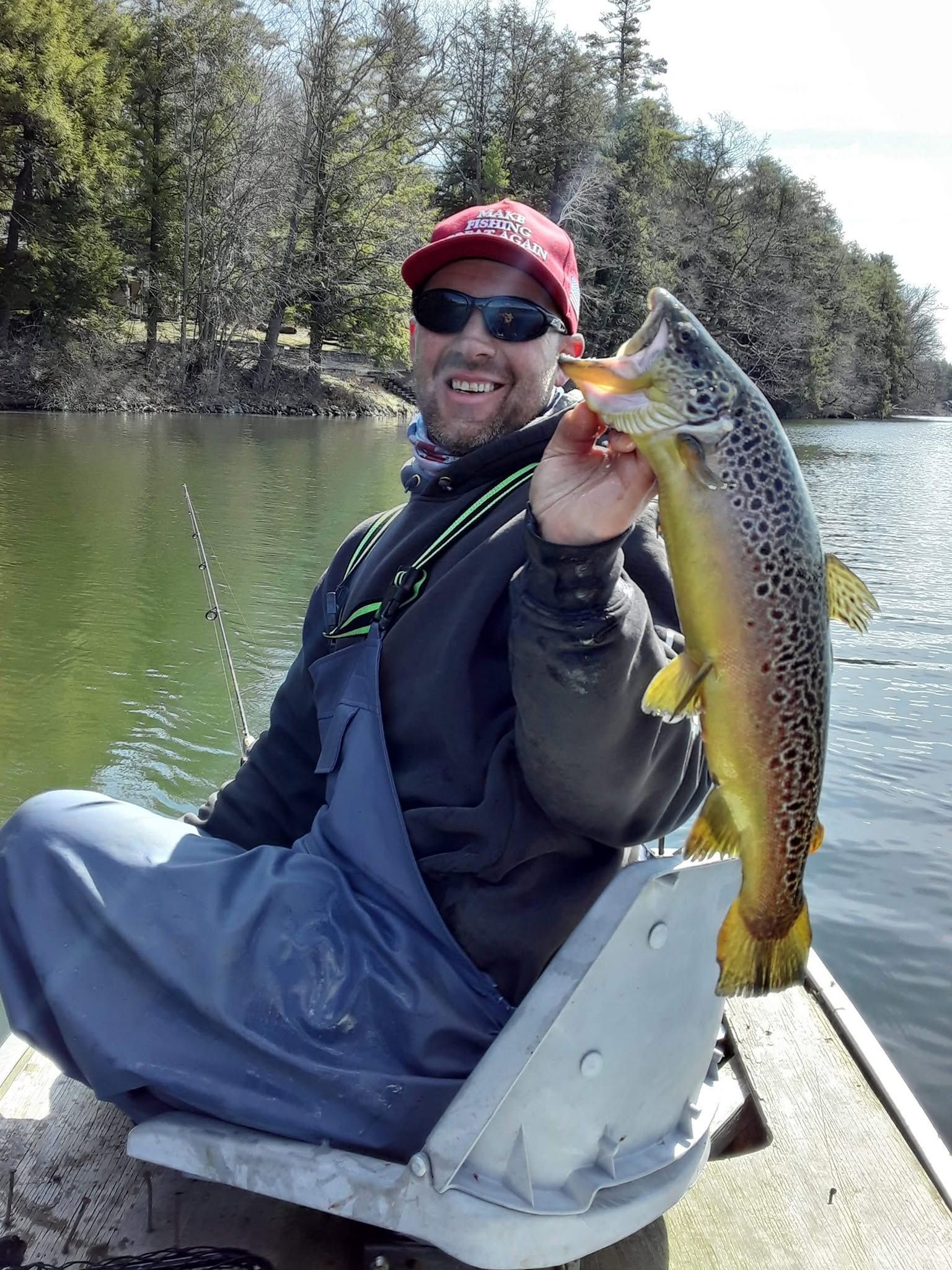
Brown trout are one of the best-known fall targets for anglers who like cold water. As temperatures drop, browns often move closer to shore and feed more aggressively ahead of the spawn. Shoreline structure, drop-offs and the edges of current can all hold fish, so a boat that works those edges slowly tends to see more than one that runs open water.
Presentation matters here. Cold fish are often less willing to chase, so smaller and slower presentations can outfish big, fast ones. Trolling at a gentle speed lets a bait spend more time in front of a fish that is not eager to move far. Captain Silas lists brown trout among his favorite species to target, and trolling is one of the techniques he uses.
Walleye When the Water Gets Cold
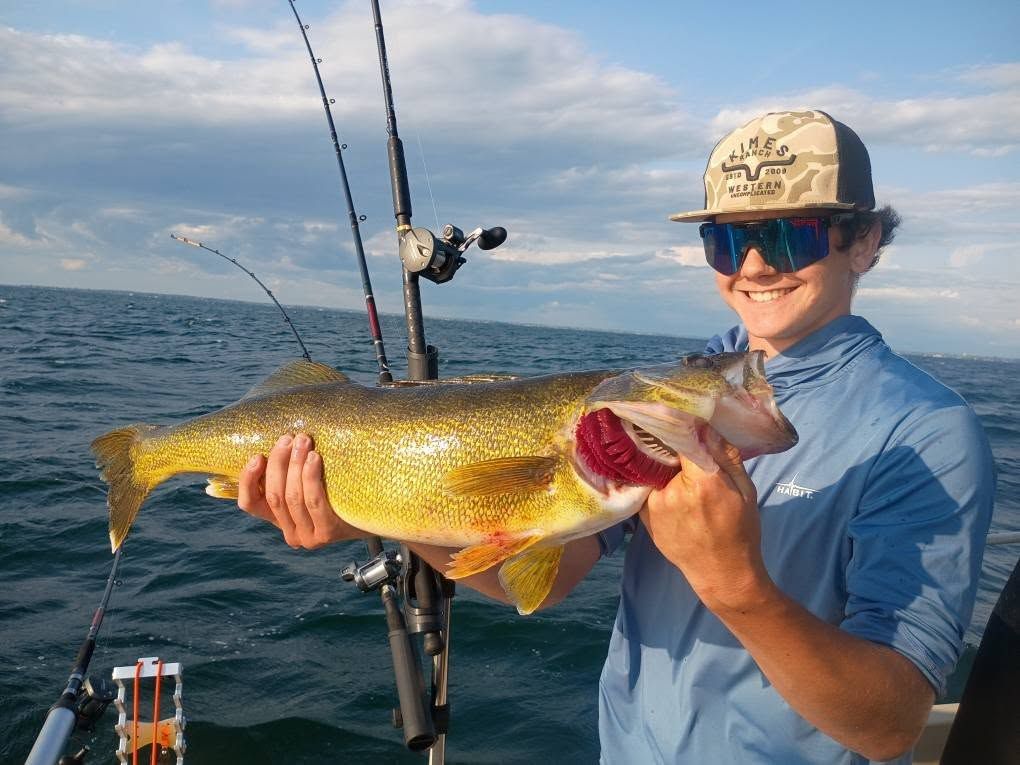
Walleye are another cold-water favorite, and they respond to falling temperatures in a different way. They tend to relate to underwater structure, such as humps, ledges and changes in bottom, and they often feed most actively in lower light. Dawn, dusk and the evening hours are worth taking seriously in late fall.
Because cold water slows them down, walleye usually want a bait presented close to the bottom and moved gradually. Spinning gear and bottom presentations fit this kind of fishing well, since they give you a feel for the bait and let you keep it where the fish are holding. Patience pays off. A slow pass over the right piece of structure can produce when a faster pass produces nothing.
Salmon and the Fall Migration
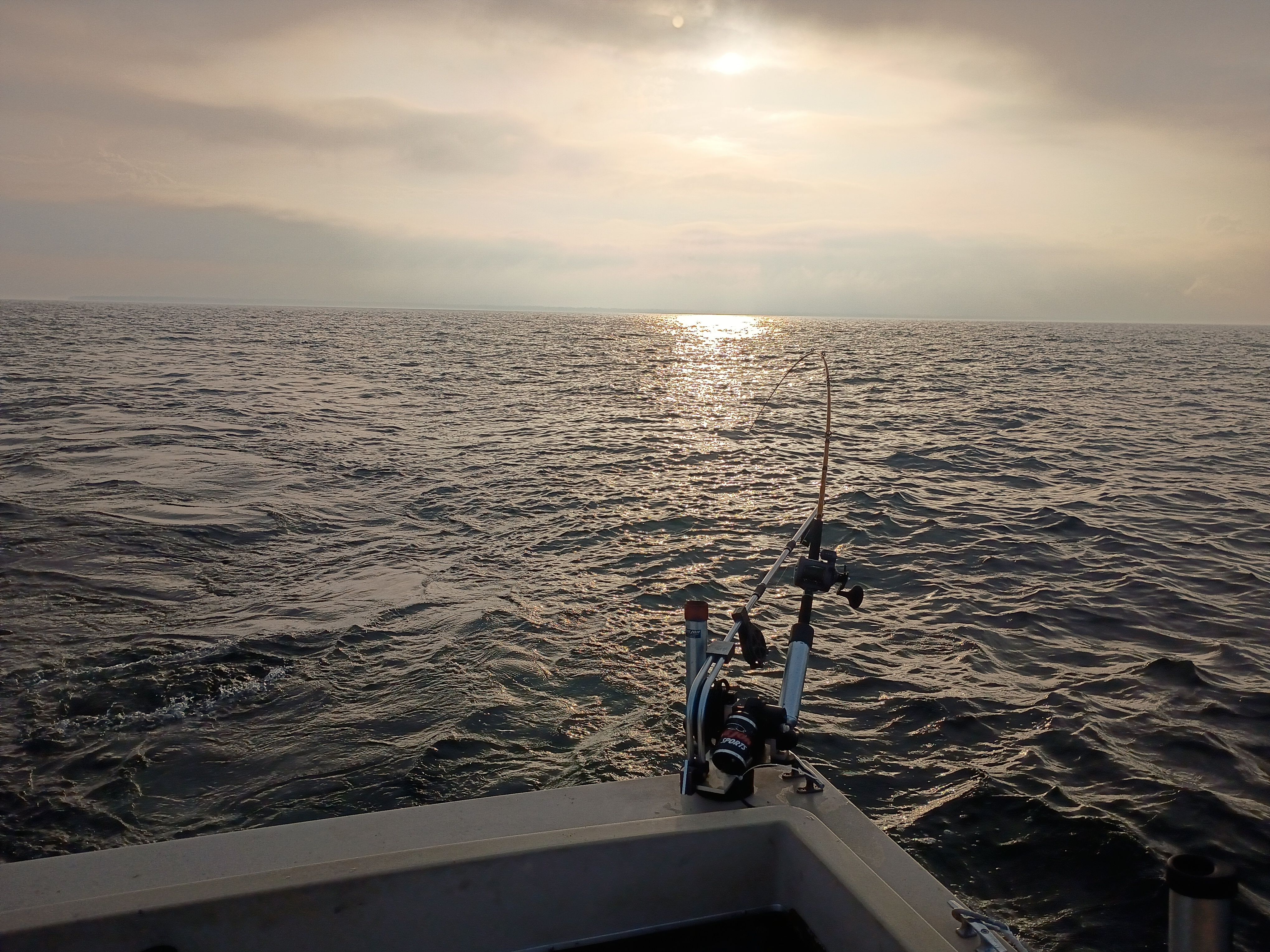
Salmon add another layer to a late fall trip. Fall is the season of migration, and fish that were scattered in open water begin to move with purpose. That movement can bring them within reach of anglers who know where to look, and it often rewards trolling a spread at different depths until the fish show you where they are.
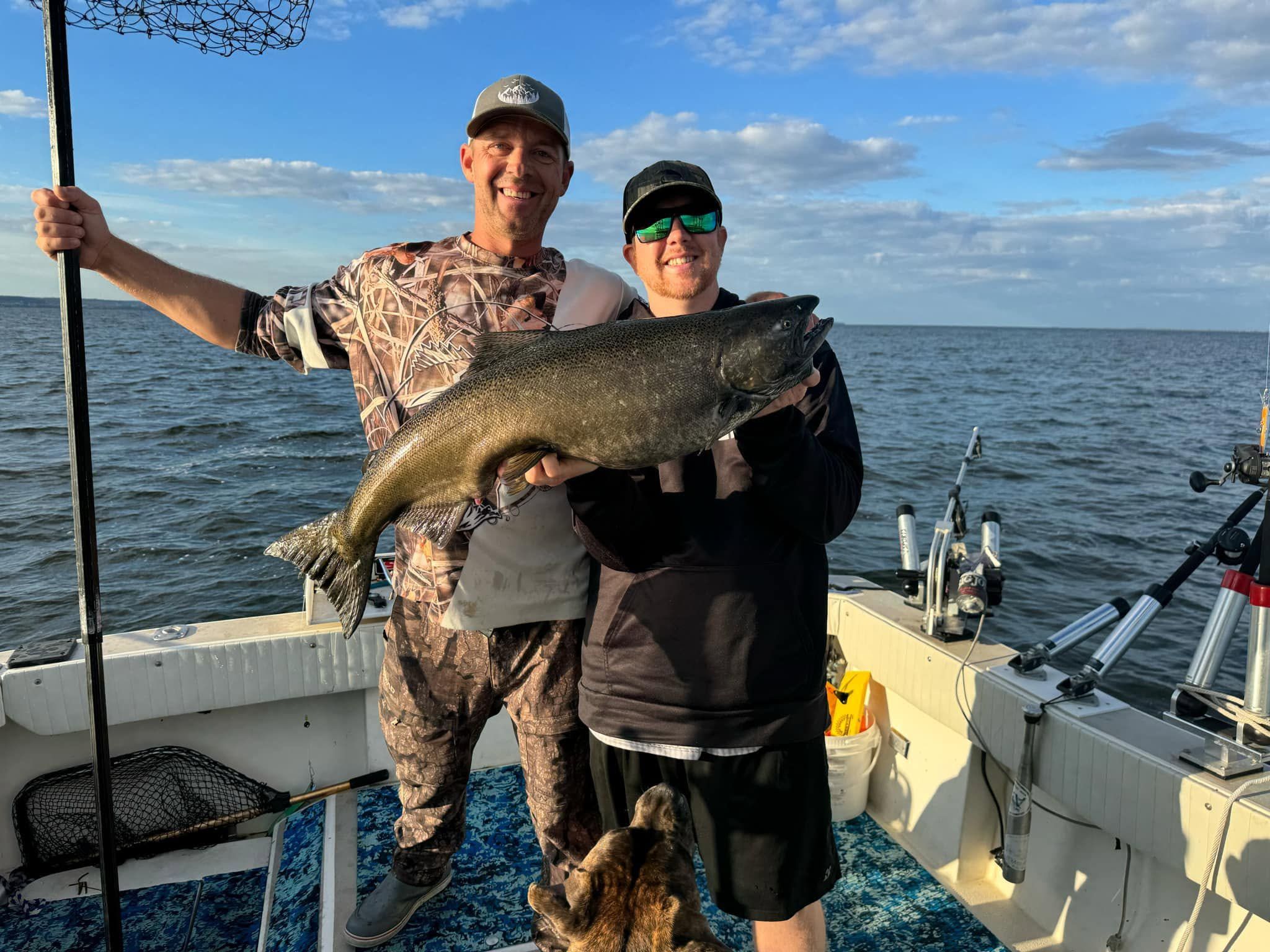
Depth control is the key skill. Cold water compresses the range where fish are comfortable, so a bait that runs a few feet too high or too low can be ignored. Heavy and light tackle both have a place, depending on how deep the fish are and how large the target is. Matching the gear to the depth, rather than using one setup all day, is what separates a productive spread from a quiet one.
How Anglers Adjust Their Approach
Across all three species, the adjustments come down to a few habits that carry over from one cold-water day to the next.
- Slow everything down. Cooler water means slower fish, so trolling speed and retrieve speed both usually drop.
- Fish the edges. Structure, drop-offs and shoreline transitions hold fish that are conserving energy.
- Control depth carefully. Check that baits are running where the fish are, and change depth before changing everything else.
- Use lighter presentations when the bite is tough. Smaller baits and finesse techniques can draw strikes from fish that ignore larger ones.
- Fish the low-light windows. Early morning and evening often matter more in late fall than the middle of the day.
Dress for the conditions as well. Late fall on the water is cold, and a hot drink and layers you can add or remove make a long day far more comfortable. An angler who is warm and focused makes better decisions about gear and presentation than one who is counting the minutes until the boat heads in.
Putting It Together on the Water
No two days in late fall fish the same. Wind, cloud cover, recent weather and the exact water temperature all shift where fish are and how willing they are to bite. The anglers who do well are the ones who keep adjusting, changing depth, speed and bait until the fish give them an answer.
That kind of flexibility is much easier with a captain who knows the water and the species. Captain Silas Amlaw runs Ah shore thing fishing charters in New York and works with trolling, spinning, bottom fishing and both light and heavy tackle, which covers much of what cold-water fishing calls for. If you want to learn how to read the lake as the season turns, a day with someone who fishes it regularly is the quickest way to build that skill.